Introduction: Why Thoughtful Home Improvements Deliver Both Immediate and Long-Term Benefits
A home is more than a place to live. It is one of the largest financial investments most people will ever make, and maintaining its value requires ongoing attention. While emergency repairs are sometimes unavoidable, the most successful homeowners take a proactive approach by making strategic improvements that enhance comfort, functionality, efficiency, and long-term property value.
Many homeowners focus on renovations purely for aesthetic reasons, but the best improvements offer benefits that extend far beyond appearance. Upgraded systems can reduce utility costs. Improved materials can lower maintenance requirements. Enhanced layouts can make daily routines easier and more enjoyable. At the same time, these improvements help preserve the property’s condition and appeal to future buyers.
Strategic upgrades are particularly valuable because they address both current needs and future goals. Some projects improve energy efficiency, while others increase storage, strengthen weather protection, or enhance curb appeal. Together, these investments help create a home that functions better while maintaining its value over time.
Another important advantage of proactive improvements is cost control. Small upgrades and preventative maintenance are often significantly less expensive than major repairs caused by neglect. Identifying opportunities early allows homeowners to plan projects carefully rather than making rushed decisions during emergencies.
This guide explores some of the most impactful home improvement projects and explains how they can protect your investment while making everyday living more comfortable and efficient.
Evaluate Your Home’s Current Condition Before Planning Major Projects
Before beginning any renovation or improvement project, homeowners should perform a thorough assessment of the property. Understanding the home’s strengths and weaknesses helps ensure that resources are directed toward projects with the greatest impact.
A complete evaluation should include:
- Structural components
- Mechanical systems
- Exterior materials
- Interior finishes
- Storage and organization needs
Benefits of a comprehensive assessment include:
- Better project prioritization
- Improved budgeting
- Early problem detection
- Increased return on investment
When evaluating the home, consider:
Safety Concerns
Address any issues that may affect occupants or property.
Examples include:
- Water damage
- Structural deterioration
- Electrical concerns
- Roofing problems
Functional Challenges
Look for areas that make daily living less efficient.
Examples include:
- Poor storage
- Inefficient layouts
- Aging systems
- Limited workspace
Value-Enhancing Opportunities
Identify projects that improve both comfort and resale potential.
Examples include:
- Energy-efficiency upgrades
- Exterior improvements
- Modernized finishes
- Storage solutions
Creating a long-term improvement plan allows homeowners to address needs strategically while avoiding costly surprises.
Build a Strong Foundation for Long-Term Property Value
The quality of a home’s original construction plays a major role in determining its long-term maintenance needs and durability. Whether living in a newer property or considering significant renovations, understanding the principles that guide experienced home builders can help homeowners make better decisions.
Strong construction practices focus on:
- Structural integrity
- Efficient layouts
- Durable materials
- Energy performance
- Future adaptability
Homeowners should periodically evaluate:
- Foundation condition
- Framing performance
- Moisture management
- Structural movement
- Building envelope integrity
Benefits of investing in structural improvements include:
- Increased durability
- Lower maintenance costs
- Improved safety
- Better resale value
When planning major renovations, homeowners should prioritize projects that improve the home’s overall functionality and longevity rather than focusing solely on cosmetic upgrades.
Questions to consider include:
- Will this improvement support long-term needs?
- Does it improve durability?
- Will it reduce future maintenance requirements?
Projects that strengthen the home’s foundation for long-term ownership often provide some of the highest returns on investment.
Focus on the Most Frequently Used Space in the Home
Few areas of a home influence daily life as much as the kitchen. It serves as a gathering place, workspace, dining area, and center of household activity. As a result, kitchen improvements often provide significant benefits in both functionality and resale value.
Many homeowners work with kitchen renovation companies to improve workflow, storage, and usability.
Common goals include:
- Better organization
- Improved lighting
- Increased storage
- Enhanced efficiency
- Updated aesthetics
Functional improvements may include:
- Additional cabinetry
- Expanded countertop space
- Improved appliance placement
- Better traffic flow
Popular upgrades often focus on:
- Durable surfaces
- Energy-efficient appliances
- Modern fixtures
- Improved task lighting
Benefits of kitchen improvements include:
- Greater convenience
- Improved efficiency
- Enhanced appearance
- Increased home value
When planning a renovation, homeowners should prioritize functionality before cosmetic features. A beautiful kitchen is most valuable when it also supports daily activities efficiently.
Thoughtful kitchen improvements can significantly enhance quality of life while providing strong long-term returns.
Refresh Interior Spaces with Affordable Improvements That Make a Big Impact
When homeowners think about updating a room, they often focus on walls, flooring, furniture, or décor. However, ceilings are one of the largest visible surfaces in a home and can significantly influence how a space feels.
Over time, ceilings may develop:
- Stains
- Discoloration
- Cracks
- Surface imperfections
- Yellowing from age
Applying fresh ceiling paint is one of the most cost-effective ways to improve the appearance of a room while creating a brighter and cleaner environment.
Benefits include:
- Enhanced light reflection
- Improved room appearance
- Greater visual cleanliness
- Updated aesthetics
- Increased buyer appeal
When selecting materials, homeowners should consider:
- Room purpose
- Moisture levels
- Lighting conditions
- Existing finishes
Lighter colors often create the perception of:
- More space
- Higher ceilings
- Better natural light
Before painting, it is important to:
- Repair cracks
- Address water stains
- Clean surfaces
- Prime damaged areas
Many homeowners are surprised by the dramatic difference a refreshed ceiling can make. Because ceilings are frequently overlooked, updating them often provides an immediate improvement in the overall appearance of a room.
For homeowners seeking affordable upgrades, ceiling improvements can offer excellent value without requiring extensive renovation work.
Improve Functionality and Durability in High-Traffic Utility Areas
Garages are among the most heavily used areas of many homes. They serve as vehicle storage spaces, workshops, hobby areas, and general storage locations. Unfortunately, garage floors often experience significant wear from vehicles, moisture, chemicals, and heavy equipment.
Professional garage floor coating services help protect these surfaces while improving appearance and functionality.
Common issues affecting garage floors include:
- Surface staining
- Cracking
- Moisture intrusion
- Chemical damage
- Abrasion from vehicle traffic
Benefits of protective coatings include:
- Improved durability
- Easier cleaning
- Enhanced appearance
- Greater moisture resistance
- Reduced maintenance requirements
Homeowners often choose coatings because they help resist:
- Oil stains
- Road salt damage
- Tire marks
- Chemical spills
Additional advantages include:
- Improved brightness through reflective finishes
- Better organization
- Increased usability
- Enhanced property value
When evaluating floor improvements, homeowners should consider:
- Intended garage use
- Climate conditions
- Maintenance expectations
- Long-term durability goals
A clean, durable garage floor not only improves appearance but also creates a more functional space that can support a wide variety of household activities.
Upgrade Access Points to Improve Security and Everyday Convenience
Garage doors play a critical role in both security and convenience. Because they are frequently used, aging systems can eventually become unreliable, inefficient, or unsafe.
Modern garage door installation projects often provide benefits that extend well beyond appearance.
Warning signs that replacement may be appropriate include:
- Frequent breakdowns
- Excessive noise
- Visible damage
- Poor insulation
- Outdated safety features
Benefits of modern systems include:
- Improved security
- Better energy efficiency
- Enhanced reliability
- Reduced maintenance needs
- Greater curb appeal
Homeowners should evaluate:
- Insulation performance
- Material durability
- Safety features
- Style compatibility
- Long-term maintenance requirements
Popular material options include:
- Steel
- Aluminum
- Wood
- Composite products
Modern systems often feature:
- Smart technology integration
- Improved safety sensors
- Quieter operation
- Enhanced weather sealing
A garage door is one of the largest moving components in most homes. Investing in quality equipment helps improve safety while contributing positively to overall property value.
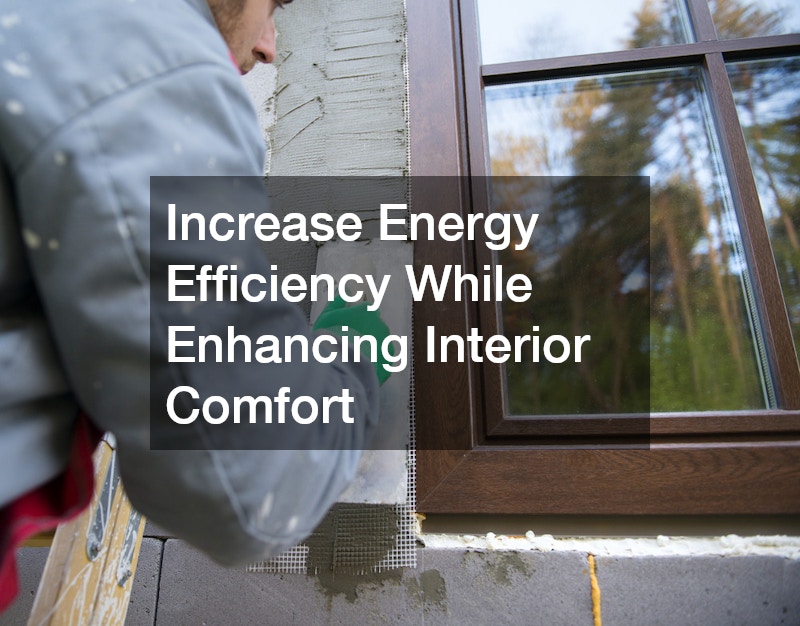
Increase Energy Efficiency While Enhancing Interior Comfort
Windows influence both the appearance and performance of a home. Older windows often contribute to energy loss, drafts, moisture issues, and reduced comfort.
Many homeowners invest in replacement windows to improve efficiency while enhancing the overall appearance of the property.
Common signs that windows may need upgrading include:
- Drafts
- Condensation between panes
- Difficulty operating
- Visible deterioration
- Rising utility costs
Benefits of modern windows include:
- Improved insulation
- Better temperature control
- Reduced energy consumption
- Enhanced comfort
- Improved noise reduction
Additional advantages may include:
- Increased natural light
- Better ventilation
- Improved curb appeal
- Greater resale value
When evaluating window options, homeowners should consider:
- Energy-efficiency ratings
- Frame materials
- Glass technologies
- Climate conditions
Popular frame materials include:
- Vinyl
- Fiberglass
- Wood
- Composite materials
Replacing aging windows can provide measurable improvements in comfort while helping reduce heating and cooling costs throughout the year.
For many homeowners, window upgrades represent one of the most effective ways to combine energy efficiency, aesthetics, and long-term value.
Create a Strong First Impression Through Better Entryway Design
A home’s entryway serves as both a functional access point and a major contributor to curb appeal. The front door is often one of the first features visitors and potential buyers notice, making it an important component of both aesthetics and security.
Many homeowners choose front door installation projects because they offer a combination of visual, functional, and energy-efficiency benefits.
Common signs that a door may need replacement include:
- Drafts around the frame
- Difficulty opening or closing
- Visible wear and damage
- Moisture intrusion
- Reduced security performance
Benefits of upgrading an entry door include:
- Improved curb appeal
- Better insulation
- Enhanced security
- Reduced maintenance
- Increased property value
When selecting a replacement door, homeowners should consider:
- Material durability
- Energy-efficiency ratings
- Style compatibility
- Security features
- Maintenance requirements
Popular materials include:
- Fiberglass
- Steel
- Wood
- Composite products
Additional upgrades that complement a new entry system include:
- Updated hardware
- Decorative glass inserts
- Enhanced exterior lighting
- Fresh trim and paint
A well-designed entryway helps create a welcoming appearance while improving the home’s overall functionality and efficiency.
Protect Your Home from Weather-Related Damage Before Problems Escalate
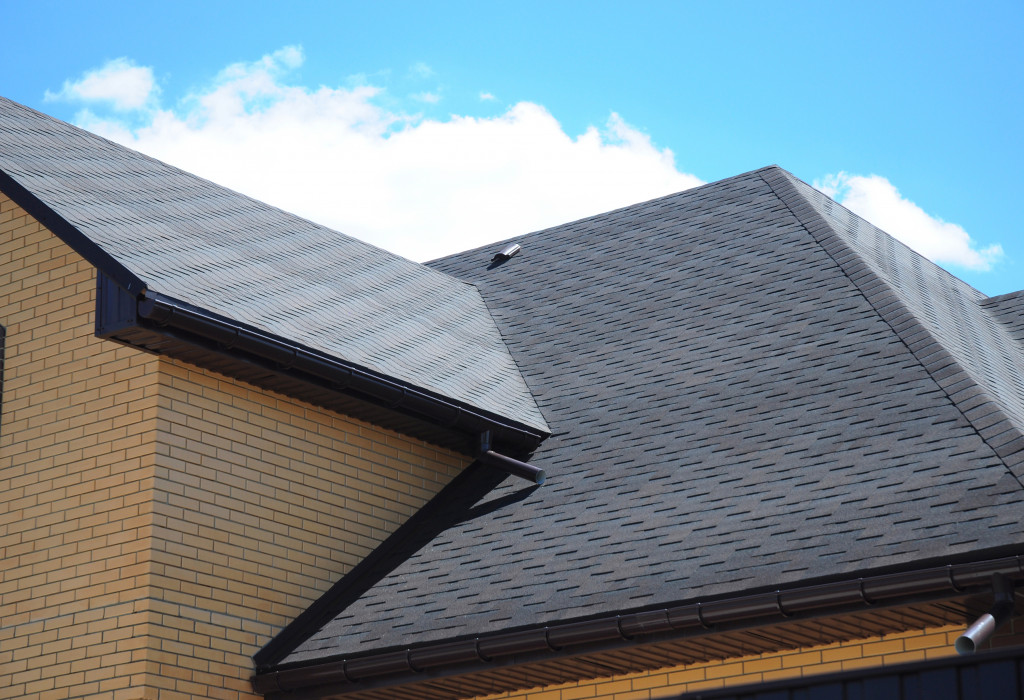
The roof is one of the most important protective components of any home. It shields the structure from rain, snow, wind, and sunlight while helping regulate indoor temperatures.
Unfortunately, many homeowners delay roof repairs until significant damage becomes visible. By that point, water intrusion may already be affecting insulation, framing, and interior finishes.
Common warning signs include:
- Missing shingles
- Water stains
- Sagging sections
- Damaged flashing
- Excessive granule loss
Benefits of addressing roofing concerns early include:
- Reduced repair costs
- Prevention of structural damage
- Improved energy efficiency
- Extended roof lifespan
- Better weather protection
Routine inspections should focus on:
- Shingle condition
- Flashing integrity
- Ventilation performance
- Drainage systems
- Sealant deterioration
Homeowners should schedule evaluations:
- Annually
- After major storms
- Following hail events
- After severe wind conditions
Preventative maintenance is often significantly less expensive than major restoration projects caused by water damage.
Protecting the roof helps safeguard every other component beneath it.
Simplify Major Life Transitions While Protecting Your Property
Relocations often involve significant planning, coordination, and organization. Whether moving into a new home or leaving a current property, careful preparation helps reduce stress and protect valuable belongings.
Many homeowners work with a moving company to streamline the relocation process and minimize risks associated with transportation.
Benefits of professional moving assistance include:
- Improved efficiency
- Better organization
- Reduced physical strain
- Enhanced protection for belongings
- Time savings
Before a move, homeowners should:
- Create inventories
- Organize important documents
- Label boxes clearly
- Schedule utility transfers
- Plan timelines carefully
Moving also provides an excellent opportunity to evaluate property condition.
Recommended tasks before listing or vacating a property include:
- Completing repairs
- Cleaning thoroughly
- Addressing maintenance concerns
- Organizing documentation
For homeowners moving into a new property, inspections should focus on:
- Mechanical systems
- Roofing condition
- Plumbing infrastructure
- Drainage systems
- Exterior materials
Proper planning helps ensure a smoother transition while protecting both belongings and property investments.
Maximize Space and Improve Organization During Renovations and Transitions
Home improvement projects often create temporary space challenges. Furniture, personal belongings, seasonal items, and construction materials can quickly make living spaces crowded and difficult to manage.
A mini storage unit can provide valuable flexibility during renovations, moves, and major organizational projects.
Common uses include:
- Temporary furniture storage
- Seasonal item storage
- Protection of valuables
- Project staging
- Household decluttering
Benefits include:
- Improved organization
- Better protection for belongings
- Increased workspace availability
- Reduced household disruption
- Greater project efficiency
Storage solutions can be particularly valuable during:
- Remodeling projects
- Home sales
- Relocations
- Major cleanouts
- Downsizing efforts
When selecting storage options, homeowners should consider:
- Accessibility needs
- Climate-control requirements
- Security features
- Rental duration
Reducing clutter often improves productivity and makes renovation projects easier to manage.
Organized storage also helps protect valuable possessions from accidental damage during construction or moving activities.
Conclusion: Creating a More Comfortable, Functional, and Valuable Home
Strategic home improvements offer benefits that extend far beyond appearance. When planned thoughtfully, upgrades can improve comfort, increase efficiency, reduce maintenance requirements, and protect long-term property value. Rather than waiting for systems to fail or visible damage to appear, proactive homeowners focus on identifying opportunities to improve their homes before problems develop.
One of the greatest advantages of preventative improvements is cost control. Small projects completed at the right time often prevent larger expenses in the future. Regular inspections, routine maintenance, and strategic upgrades help homeowners avoid emergency repairs while preserving the overall condition of the property.
Ultimately, protecting a home is about making intentional choices that balance functionality, efficiency, aesthetics, and durability. Through consistent care and strategic investments, homeowners can create living spaces that remain comfortable, attractive, and valuable for many years to come.