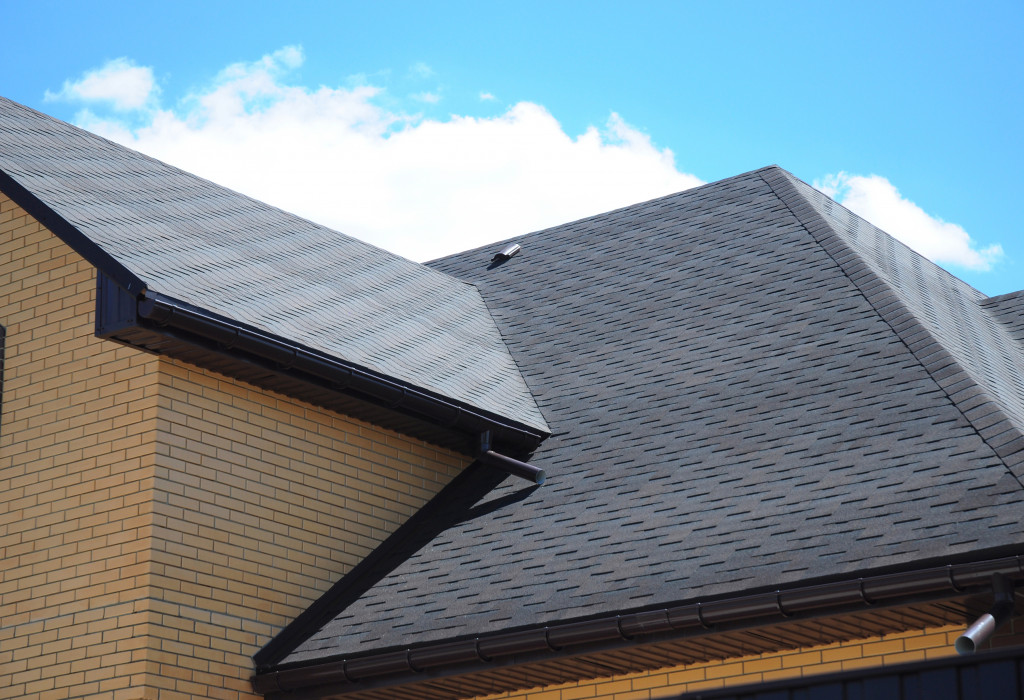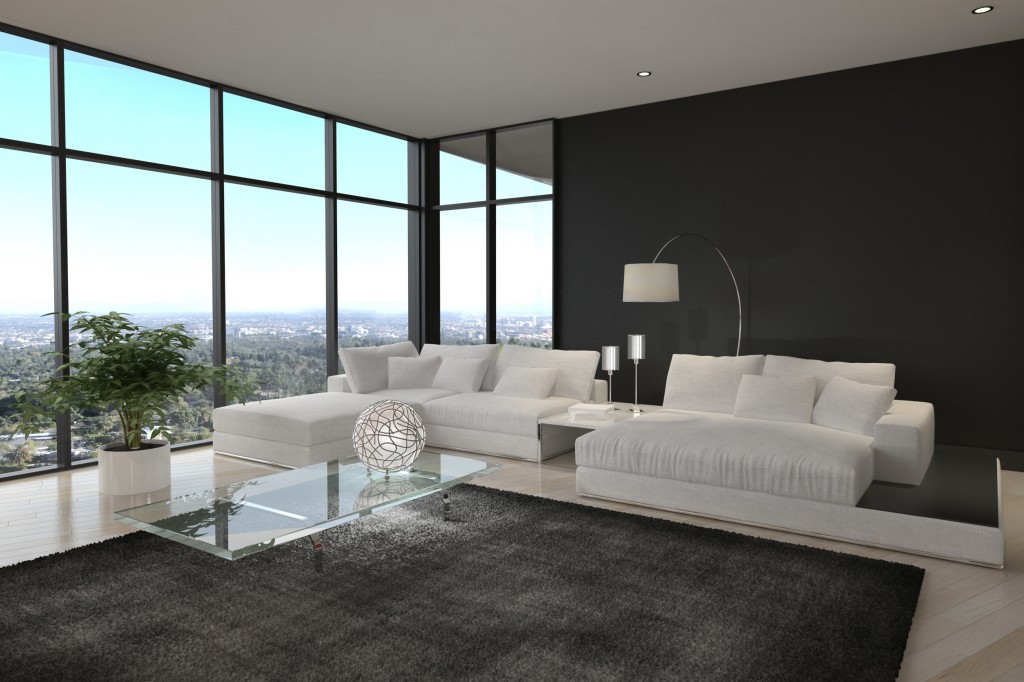
For decades, the “American Dream” was synonymous with the move-up buyer—the family that outgrows their starter home and seeks out a pristine, newly constructed property in a burgeoning suburb. However, the economic landscape of 2026 has fundamentally shifted the math. Between the soaring costs of new construction materials and the scarcity of prime real estate, many homeowners are realizing that the “dream home” isn’t waiting in a sales office five miles away; it is currently hidden beneath their own dated wallpaper and tired flooring.
Redirecting a new home budget into a comprehensive remodel is no longer just a frugal alternative; it is a sophisticated financial strategy. By staying put, you bypass the friction of real estate commissions, moving expenses, and the daunting task of finding a neighborhood that matches the one you’ve already grown to love. More importantly, it allows you to customize every square inch of your environment to fit your specific lifestyle, rather than settling for the “builder grade” compromises of a speculative development.
This guide serves as a deep-dive blueprint for homeowners ready to stop searching and start building. We will explore how to manage the logistics, prioritize the highest-impact upgrades, and transform a dated structure into a modern masterpiece.
Planning and Professional Partnerships

Before a single sledgehammer swings, you must approach your renovation with the mindset of a developer. A common mistake is treating a large-scale remodel as a series of disconnected DIY projects. When you are redirecting a six-figure budget originally intended for a mortgage down payment, you need a team that understands the structural integrity and long-term value of your asset.
The first step is a comprehensive audit of your home’s “bones.” This includes checking the electrical capacity, the age of the plumbing, and the condition of the HVAC system. Once the invisible systems are verified, it’s time to assemble your crew. Navigating a full-scale renovation requires seasoned home remodeling contractors who can orchestrate the various trades, from electricians to finish carpenters, ensuring that the project remains code-compliant and on schedule.
If your vision involves expanding the footprint of the house—perhaps by adding a second story or a sprawling primary suite—you will need to consult with home addition contractors. These specialists are well-versed in local zoning laws and setback requirements, which can make or break a project before it even starts. They provide the architectural expertise needed to ensure that the new square footage blends seamlessly with the original structure, avoiding the “bolted-on” look that can hurt resale value.
Key Questions for Your Core Team:
- Capacity: Do you have a dedicated project manager who will be on-site daily?
- Continuity: How do you handle unforeseen structural issues discovered during demolition?
- Transparency: Do you use a fixed-price contract or a “cost-plus” model?
- Documentation: Will you provide a detailed timeline with milestones for each phase?
Maximizing Functional Beauty
If the house is the body, the kitchen is the heart and the bathrooms are the sanctuary. These are the areas where you interact with your home most intimately, and they are also the areas that provide the highest return on investment. When redirecting a new home budget, these rooms should receive a significant portion of the capital.
The modern kitchen has evolved from a closed-off utility room into a multi-functional social hub. This shift often requires removing non-load-bearing walls to create an open-concept flow. Investing in kitchen remodeling allows you to integrate high-end features that builders often skip, such as custom cabinetry with soft-close mechanisms, hidden appliance garages, and specialized lighting layers (ambient, task, and accent). Consider a double-island configuration if space allows—one for meal prep and one for social seating—to truly emulate the feel of a luxury new build.
Following the kitchen, the primary suite’s bathroom is the next frontier of value. A high-end bathroom remodel today focuses on the “wet room” concept, where a freestanding soaking tub and a walk-in shower share a single, waterproofed enclosure. This not only creates a stunning visual focal point but also increases the accessibility and longevity of the space. Think about incorporating smart technology, such as digital thermostatic valves that remember your preferred shower temperature or mirrors with integrated anti-fog and lighting systems.
Essential High-End Upgrades:
- Induction Cooktops: Faster, safer, and easier to clean than traditional gas or electric.
- Heated Flooring: A relatively low-cost addition during a bathroom gut that provides immense daily comfort.
- Integrated Storage: Custom pull-outs for spices, trash recycling, and heavy mixers to keep counters clear.
- Circadian Lighting: Systems that adjust the color temperature of your lights based on the time of day to improve sleep and mood.
Interior Flow and Aesthetic Cohesion

One of the tell-tale signs of an older home is a “choppy” layout or a lack of architectural interest in transitional spaces. To make an existing home feel like a new build, you must address the vertical elements and the overall finish quality. This is where the artistry of the renovation comes into play.
The staircase is often the first thing people see when entering a home, yet it is frequently the most overlooked. Investing in staircase remodeling can radically change the perception of your interior. Replacing dated wooden spindles with sleek iron balusters or opting for a “floating” tread design can create a sense of airiness and modern luxury. If your stairs are currently carpeted, transitioning to hardwood treads that match your flooring creates a cohesive, high-end look that ties the levels of the home together.
Once the structural changes are complete, the final “skin” of the home determines the atmosphere. Professional painting services do far more than just change a color; they involve extensive prep work to ensure walls are perfectly smooth, trim is flawlessly lacquered, and transitions between colors are razor-sharp. In a 3500-word budget, don’t overlook the ceiling; adding crown molding or tray ceiling details painted in a contrasting sheen can add a sense of height and “expensive” architectural detail that is often missing in older properties.
The Impact of Detail:
- Hardware Consistency: Ensure all door handles, hinges, and light switches follow a unified metal finish and style.
- Trim and Millwork: Upgrading to taller 5-inch or 7-inch baseboards can make ceilings feel higher.
- Hidden Tech: Use the renovation to run Cat6 ethernet cables and speaker wires behind the walls, future-proofing your home for smart technology.
Curb Appeal and the Approach
The exterior of your home is your greeting to the world. When you redirect your budget, you want the “arrival experience” to be just as impressive as the interior. This starts with the surfaces that lead to your front door and extend into your backyard.
For many older homes, the driveway is an eyesore of cracked concrete or crumbling gravel. Utilizing professional asphalt paving services can provide a smooth, dark, and uniform surface that instantly modernizes the property’s facade. A well-installed driveway doesn’t just look better; it ensures proper water drainage away from your foundation, protecting your renovation investment for decades. Consider adding a decorative cobblestone border to the asphalt for an extra touch of “estate” styling.
Moving to the rear of the property, the goal is to create an “outdoor room.” Concrete patios have come a long way from the simple grey slabs of the past. Today, you can opt for stamped, stained, or polished finishes that mimic the look of natural stone or even wood planks. These surfaces provide a durable foundation for outdoor kitchens, fire pits, and dining areas. By using concrete, you gain a low-maintenance, permanent structure that can withstand heavy furniture and high traffic better than traditional wood decking, which requires constant staining and sealing.
Outdoor Structural Considerations:
- Permeability: In some regions, using permeable pavers or specialized concrete mixes helps manage stormwater runoff and meets environmental codes.
- Lighting: Integrate low-voltage LED lighting into the edges of the patio and along the driveway for safety and evening ambiance.
- Transition Zones: Use wide sliding glass doors to create a “threshold-less” transition from the kitchen to the patio.
The Backyard Oasis

If you were buying a new home, you might be looking for a community with a club or a resort-style backyard. By remodeling, you can build that private sanctuary yourself. The final phase of a major budget redirection involves the leisure elements and the living landscape.
An existing pool is often the biggest “dated” feature of a property. However, pool remodeling can be far more cost-effective than digging a new one. You can replace old blue tiles with modern glass mosaics, swap out rough plaster for smooth pebble finishes, and add features like “tanning ledges” or integrated spas. Modernizing the pool also means upgrading the equipment; variable-speed pumps and salt-water systems make the pool easier to maintain and much more energy-efficient, saving thousands in long-term operating costs.
Finally, the “softscaping” ties everything together. Professional landscaping services are the “paint” of the outdoors. Rather than just planting a few bushes, a comprehensive landscape design includes layered heights, seasonal color palettes, and strategic privacy screening. Trees and shrubs can be used to hide neighboring houses or utility boxes, creating a true sense of seclusion. Furthermore, a well-designed irrigation system ensures that your investment stays lush without the need for constant manual watering.
Components of a Luxury Landscape:
- Specimen Trees: Investing in one or two mature “hero” trees provides instant character that new builds lack.
- Outdoor Audio: Weatherproof speakers tucked into the garden beds can be zoned to play different music on the patio versus the pool.
- Fire Features: Whether it’s a natural gas fire table or a custom masonry fireplace, fire adds a four-season utility to your backyard.
- Privacy Buffers: Using a mix of evergreens and deciduous plants creates a natural wall that feels much more organic than a wooden fence.
The Financial Logistics of a 3000+ Word Project
When you are managing a budget upwards of $200,000 to $500,000, financial discipline is as important as design sense. One of the greatest advantages of remodeling is the ability to “cash flow” certain phases or use specialized renovation loans that are appraised based on the after-repair value (ARV) of the home.
Creating a Master Budget:
- Structural and Mechanical (20%): Roofing, HVAC, electrical, and plumbing. These aren’t “fun” but they are the foundation of your home’s value.
- Kitchen and Bath (35%): The primary value drivers.
- Interior Finishes (15%): Flooring, paint, and staircase.
- Exterior and Landscaping (20%): Curb appeal and outdoor living.
- Contingency Fund (10%): Inevitably, you will find something behind a wall that costs money. Having this fund prevents the “renovation fatigue” that comes from unexpected expenses.
Managing these funds requires a clear contract with your builders. Always ensure there is a “holdback” clause—a percentage of the final payment that is only released once the “punch list” (the final tiny fixes) is 100% complete. This keeps the momentum going until the very last cabinet knob is installed.
Living Through the Transformation

Perhaps the biggest hurdle in redirecting a new home budget is the lifestyle disruption. While buying a new home involves the stress of moving, remodeling involves the stress of living in a construction zone. To survive a project of this magnitude, you must have a survival plan.
Many homeowners choose to rent a small apartment nearby for the most intensive phases (demolition, kitchen gut, and floor refinishing). If you choose to stay, create a “sanctuary zone”—one room in the house that remains untouched and dust-free where you can retreat at the end of the day. If the kitchen is being remodeled, set up a temporary kitchenette in the garage or basement with a microwave, an electric kettle, and a slow cooker.
Communication is your best tool for reducing stress. Establish a “Weekly Pulse” meeting with your lead contractor. This is a 30-minute walkthrough every Friday where you discuss what was accomplished, what is coming up next week, and any “delays” in materials. Knowing that a late tile shipment is being handled is much less stressful than wondering why no one showed up to work on Tuesday.
Choosing to remodel over buying a new home is a declaration of intent. It is a decision to take the familiar and elevate it to the extraordinary. While the process requires more patience and personal involvement than signing a closing document on a turnkey property, the rewards are significantly deeper. You aren’t just getting a new kitchen or a modern staircase; you are creating a bespoke environment that reflects your family’s history while accommodating its future.
By the time the final coat of paint is dry and the new landscaping has taken root, the “old” house will be unrecognizable. In its place will be a residence that rivals any new construction in technology and style, but with the added soul of a home that has been carefully curated rather than mass-produced. The budget you once thought would go toward a bank’s interest and a developer’s profit has instead been baked into the very walls and floors you walk on every day. In the end, the best way to find your dream home is to realize you were already living in it—it just needed your vision to bring it to life.