Owning a home means becoming the default manager of a dozen complex systems, even if you never signed up for the job. Most families only start learning how their furnace, plumbing, or electrical panel works after something breaks, which usually means paying more and waiting longer for a fix. Understanding the basics ahead of time helps you spot problems early, budget for maintenance, and make smarter decisions when it is time to renovate or sell. This guide breaks down the essential systems every household should understand, in plain language, so you can protect your home and your wallet.
Heating and Cooling: Your Home’s Comfort Core
Your HVAC system does more than keep the house comfortable; it also affects air quality, humidity, and energy bills every single month. Most systems last between 15 and 20 years, but only if they receive regular attention rather than being ignored until they fail in the middle of a heat wave or cold snap. Simple upkeep, like changing air filters every 60 to 90 days and scheduling professional tune-ups each spring and fall, can add years to a unit’s life and keep it running efficiently.
Knowing the warning signs of trouble can help you catch small issues before they become expensive emergencies. Strange noises such as banging, squealing, or rattling often point to loose parts or a failing motor, while uneven temperatures from room to room may signal duct problems or a struggling compressor. A sudden spike in utility costs, even when usage habits haven’t changed, is frequently one of the earliest clues that a system is losing efficiency.
It also helps to know a few basics, like where the thermostat, air filter, and circuit breaker for the HVAC system are located, so family members can respond quickly if something seems off. Understanding the difference between a simple fix, like replacing a dirty filter or resetting a tripped breaker, and a problem that requires a licensed technician can save both time and money. Teaching older kids or teens these basics also means they aren’t left guessing during a temperature emergency if you’re not home.
Every family should know the basic age and health of their heating and cooling equipment, since this single factor determines whether repair or replacement makes more financial sense. Most furnaces and air conditioners last between 15 and 20 years, and once a unit crosses that threshold, repair costs tend to climb while efficiency drops. When a system is old, undersized, or constantly breaking down, a full hvac install may actually save money over repeated patchwork repairs, especially if you’re facing multiple service calls in a single season.
On the other hand, if your unit is relatively young and simply malfunctioning, calling a furnace repairs service at the first sign of trouble is usually the more cost-effective route. A strange noise, uneven heating between rooms, or a spike in your energy bill can all signal a fixable issue rather than a system-wide failure. Catching these problems early often means a smaller repair bill and less disruption to your family’s daily routine.
Either way, an annual inspection before the peak heating or cooling season begins is one of the simplest ways to avoid being stuck without comfort when you need it most. A typical tune-up includes checking refrigerant levels, testing electrical connections, and cleaning components like coils and filters that quietly affect performance over time. Scheduling this in early fall or spring, before contractors get booked solid, also means faster appointments and less waiting if something does need attention.
- Change or clean air filters every one to three months; check monthly during heavy summer or winter use
- Schedule professional maintenance twice a year, ideally spring for AC and fall for heating
- Listen for banging, rattling, or squealing sounds, which can signal loose parts or belt issues
- Keep outdoor condenser units clear of leaves, grass clippings, and debris, with two feet of clearance on all sides
- Track your energy bills for sudden unexplained spikes that may indicate declining efficiency
- Set programmable thermostats to adjust temperatures automatically when your family is asleep or away
- Check that vents and registers throughout the house are open and unblocked by furniture or rugs
Plumbing and Septic: What Flows Beneath Your House

Plumbing problems rarely stay small for long, which is why understanding the basics of your water supply and drainage system matters. Knowing where your main water shutoff valve is located can prevent a minor leak from turning into major water damage. If your property relies on a septic system rather than municipal sewer, the stakes are even higher, since a failure can be both costly and unpleasant to fix.
Routine septic tank maintenance is one of the most overlooked responsibilities of rural and suburban homeowners alike. Tanks typically need to be pumped every three to five years depending on household size and usage, and skipping this step can lead to backups, foul odors, and even contamination of your yard or nearby water sources. Keeping a maintenance log and knowing your tank’s location and capacity will make future inspections faster and cheaper.
- Never flush wipes, grease, or chemicals down the drain
- Watch for slow drains, gurgling pipes, or standing water in the yard
- Have your septic tank inspected annually, even if it is not due for pumping
- Keep heavy vehicles and structures off the drain field
- Know the age and material of your home’s pipes to anticipate replacement needs
Managing Debris and Materials During Home Projects
Whether you are tackling a small update or a full remodel, dealing with construction debris is a practical challenge that often gets underestimated. Renovation services typically include a plan for waste removal, but if you are managing part of the project yourself, you will need to think this through in advance. Piles of old drywall, flooring, and packaging can quickly overwhelm a standard trash pickup schedule.
A single bathroom tear-out can generate several hundred pounds of tile, tub, and cabinetry waste, while a kitchen remodel often fills multiple large contractor bags with old countertops and boxes. Many municipalities limit how much debris curbside collection will take each week, and construction materials like drywall or concrete may be banned from regular trash altogether.
Renting a dumpster, scheduling a bulk pickup, or making a few trips to a local transfer station are all worth considering before demolition begins. It also helps to separate recyclable materials, such as metal fixtures or clean wood, since many areas offer discounted or free drop-off for these items.
This is where a local dumpster rental becomes genuinely useful rather than just convenient. Renting a container sized to your project keeps your yard and driveway safer, speeds up cleanup, and often costs less than paying for multiple trips to a disposal facility. Most companies offer sizes ranging from 10 to 40 cubic yards, so a small bathroom remodel might only need the smallest option, while a full home renovation or roofing job could require something much larger.
Before booking one, check with your municipality about any permits required if the dumpster will sit on a street rather than private property. Some cities also restrict what materials can go in with your regular debris, such as paint, tires, or electronics, which may need separate drop-off.
It’s also worth asking your rental provider about weight limits, since exceeding them can trigger extra fees. Planning the drop-off and pickup dates around your project timeline helps avoid paying for idle days you don’t actually need.
- Estimate debris volume before choosing a dumpster size — a 10-yard bin suits small cleanouts, while a 20- or 30-yard bin fits kitchen or roofing projects
- Separate recyclable materials like metal, cardboard, and wood when possible to cut disposal costs and landfill waste
- Confirm what items are prohibited, such as paint, batteries, tires, or electronics, since these often require special drop-off sites
- Schedule delivery and pickup around your project timeline, allowing buffer days in case work runs long
- Ask about weight limits to avoid unexpected overage fees, especially with dense materials like concrete, shingles, or dirt
- Check local permit requirements if the dumpster will sit on a street or public right-of-way
Insulation, Efficiency, and Long-Term Energy Costs
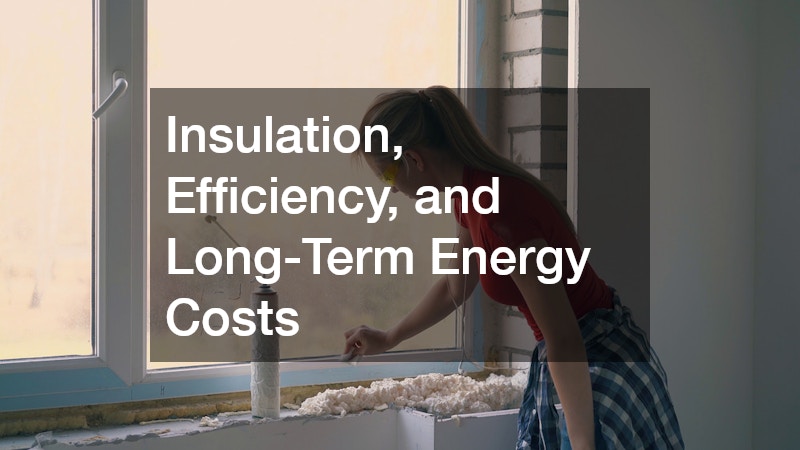
A home’s energy efficiency depends heavily on how well it retains heat in winter and stays cool in summer, and insulation plays a bigger role in this than most people realize. The Department of Energy estimates that proper insulation and air sealing can cut heating and cooling costs by 10-20%, which adds up to real savings over a year. Poor insulation forces your HVAC system to work harder, which drives up utility bills and shortens the equipment’s lifespan.
Attics, walls, and crawl spaces are the most common areas where heat escapes, and many older homes were never properly insulated to begin with. Homes built before the 1980s often have little to no insulation in these areas, or materials that have settled and lost their effectiveness over time. A simple way to check is to look for uneven temperatures between rooms, ice dams on the roof in winter, or drafts near outlets and baseboards.
Insulation is typically rated by R-value, which measures its resistance to heat flow — the higher the number, the better the performance. Recommended R-values vary by region and by area of the home, so an attic in a cold climate may need significantly more insulation than one in a mild one. Common materials include fiberglass batts, spray foam, and blown-in cellulose, each with different costs, installation methods, and lifespans.
Beyond insulation itself, air sealing gaps around windows, doors, and ductwork can make an equally significant difference. Even well-insulated homes lose efficiency if air is leaking in and out through small cracks. Addressing both insulation and sealing together gives families the most reliable long-term reduction in energy costs.
Bringing in a home insulation contractor for an assessment can reveal gaps you would never notice on your own, such as thin spots in attic insulation, compressed insulation in exterior walls, or air leaks around wiring penetrations, plumbing stacks, and recessed lighting fixtures. Many contractors use blower door tests and infrared cameras to pinpoint exactly where conditioned air is escaping, giving your family a clear roadmap for upgrades rather than guesswork. Even modest improvements, like sealing duct work or adding insulation to reach recommended R-values for your climate zone, can shave a noticeable percentage off monthly heating and cooling bills.
Beyond insulation, many households are now looking at renewable options to cut long-term costs, and solar panel installations have become increasingly affordable as technology improves and incentives expand. Federal tax credits, state rebates, and falling equipment prices mean many families recoup their investment within seven to twelve years, depending on local electricity rates and sun exposure. It’s worth having an installer evaluate your roof’s age, angle, and shading before committing, since a system that isn’t sized or positioned correctly won’t deliver the expected savings.
Combining better insulation with solar power can meaningfully reduce a home’s environmental footprint while also lowering monthly expenses. A tightly sealed, well-insulated house needs less energy to begin with, so any solar array you install can cover a larger share of your actual usage. Tackling insulation first, then layering on solar, is often the more cost-effective sequence for families planning both upgrades.
- Check attic insulation depth at least once every few years — 10-14 inches of fiberglass or 8-11 inches of cellulose is typical for most northern climates
- Look for drafts around windows, doors, and outlets using a lit candle or incense stick on a windy day
- Ask about R-value recommendations for your climate zone (R-30 to R-60 for attics, R-13 to R-21 for walls, depending on region)
- Seal obvious gaps with weatherstripping, caulk, or foam outlet gaskets before investing in bigger upgrades
- Research local and federal incentives for renewable energy upgrades, including tax credits for solar panels, heat pumps, and insulation improvements
- Get a professional energy audit every 5-10 years to catch issues a visual check might miss
- Compare payback periods before committing to any major efficiency investment — solar panels often take 6-10 years, while attic insulation can pay back in 2-4
- Track utility bills seasonally to spot creeping inefficiencies before they become costly repairs
Protecting Your Investment with the Right Coverage
A home is one of the largest financial investments most families ever make, so understanding your protection options is not optional. Homeowner insurance policies vary significantly in what they cover, from fire and theft to storm damage and liability if someone is injured on your property. Many people assume their policy covers everything, only to discover during a claim that flooding, earthquakes, or sewer backups require separate coverage.
Reviewing your policy annually, especially after major renovations or big purchases, helps ensure your coverage limits still match the actual value of your home and belongings. It is also worth comparing quotes every few years, since rates and coverage options can shift based on your location, claims history, and even your credit profile. Taking photos or video of your home’s condition and valuables creates a useful record if you ever need to file a claim.
- Confirm whether flood or earthquake coverage is included or separate
- Understand your deductible and how it affects out-of-pocket costs
- Keep an updated home inventory with photos or video
- Ask about discounts for security systems or bundled policies
- Review coverage after any major addition or renovation
Navigating the Home Buying Process With Confidence

For families in the market for a new property, buying homes involves far more than falling in love with a kitchen or a backyard. It requires understanding inspections, financing terms, and the long list of closing documents that determine what you are actually agreeing to. Skipping steps to move faster often leads to costly surprises after the deal closes, from hidden structural issues to unclear property boundaries.
One protection that is easy to overlook but genuinely important is title insurance, which guards against ownership disputes, unpaid liens, or errors in public records tied to the property. Unlike homeowner insurance, title insurance is typically a one-time cost paid at closing, yet it can save buyers from expensive legal battles years down the road. Working with a knowledgeable real estate agent and reading every disclosure carefully are two of the simplest ways to avoid regret after moving in.
- Always schedule a professional home inspection before closing
- Ask for a title search and review the report closely
- Budget for closing costs beyond just the down payment
- Confirm zoning and any easements affecting the property
- Understand contingencies that let you exit the deal if problems arise
Electrical Basics Every Homeowner Should Recognize
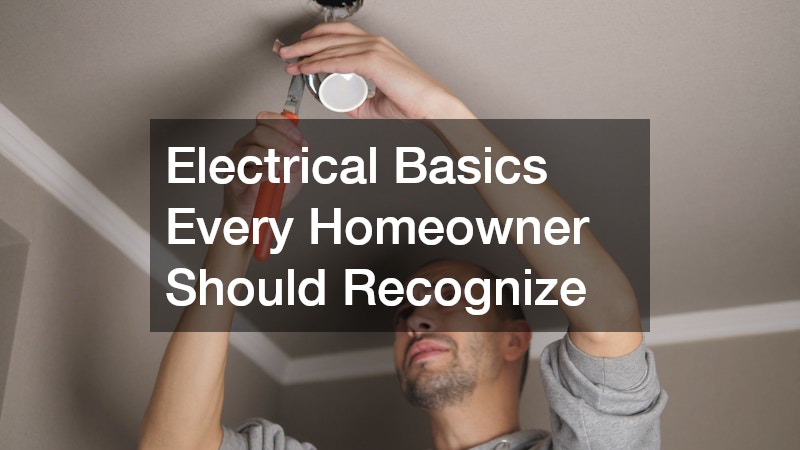
Electrical systems are one of the least visible parts of a home, but problems here can pose serious safety risks if ignored. Flickering lights, warm outlets, or a breaker that trips repeatedly are all signals that something in the system needs attention rather than a quick reset. Older homes, in particular, may still have outdated wiring that was never designed to handle today’s electronics and appliances.
Understanding your electrical panel, including how to identify and safely reset a breaker, is a basic skill every homeowner should have. It also helps to know which circuits control which rooms, since this saves time during troubleshooting or emergencies. While minor fixes like replacing an outlet cover are manageable for many homeowners, anything involving the panel or wiring should be left to a licensed electrician.
- Label your breaker panel clearly for quick identification
- Watch for burning smells or discolored outlets
- Avoid overloading extension cords or power strips
- Test smoke detectors monthly and replace batteries yearly
- Schedule a professional electrical inspection every few years, especially in older homes
Structural Health: Roof, Foundation, and Walls
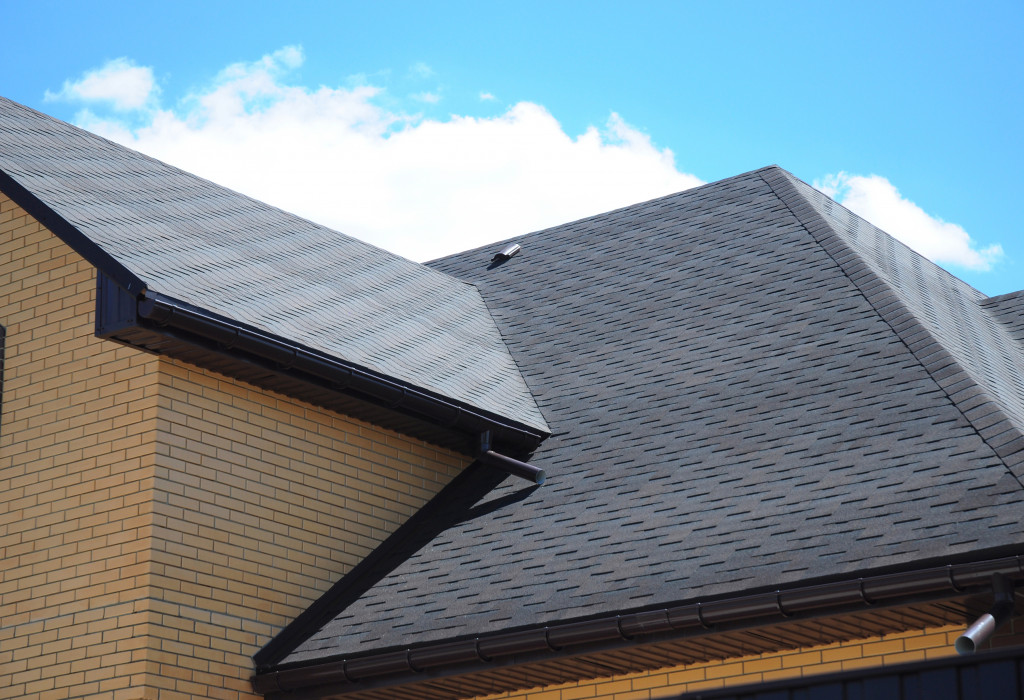
The structural bones of your home quietly support everything else, which is exactly why problems here can go unnoticed until they become severe. A sagging roofline, cracked foundation walls, or doors that suddenly stick can all point to shifting or settling issues that deserve professional evaluation. Catching these signs early often means a smaller repair bill and less disruption to your daily life.
Regular seasonal walkthroughs, both inside and outside the home, make it much easier to spot small changes before they escalate. Pay particular attention after severe weather, since heavy rain, snow, or wind can accelerate wear on roofing materials and drainage systems. Keeping gutters clear and grading soil away from the foundation are two simple habits that meaningfully protect your home’s structure over time.
- Inspect the roof for missing or curling shingles twice a year
- Check basement or crawl space walls for new cracks or moisture
- Ensure gutters and downspouts direct water away from the foundation
- Watch for doors and windows that no longer close properly
- Note any changes in floor levelness or wall gaps
Learning how these home systems work does not require becoming an expert overnight, but a basic understanding puts you in control rather than leaving you to react in a crisis. Start by walking through your own home with this list in hand, noting which systems need attention soon and which are in good shape. From there, building relationships with trusted professionals for the areas you cannot handle yourself will keep your home safer, more efficient, and better protected for years to come.