Understanding what occurs during a mold inspection can help homeowners maintain a safe and healthy living environment. This article provides insight into the process and answers common questions about mold inspections. Mold is a common household issue that can significantly impact health and property if not addressed promptly. Homeowners often find themselves puzzled by the inspection process, what needs to be done beforehand, and what outcomes to anticipate.
This article lays out a comprehensive guide to navigate the complexities of mold inspections and ensure your home remains safe.
What is a Mold Inspection?
A mold inspection is a thorough examination of a property to identify the presence of mold. This process is essential as mold can lurk in hidden corners of a home, posing serious health risks if left unchecked. During an inspection, professionals look beyond visible mold signs, probing into areas like ventilation systems and behind walls. It is a proactive step in maintaining indoor air quality and protecting the structural integrity of your home. Regular inspections can also help in early detection, preventing costly remediation down the line.
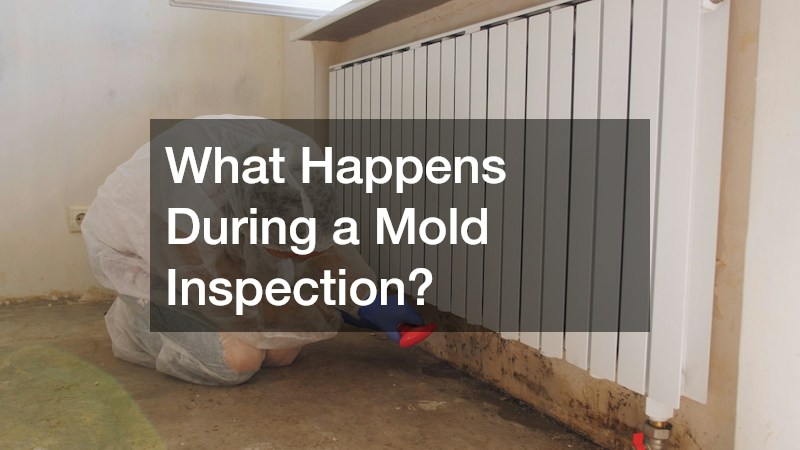
The process usually begins with a visual examination of areas most likely to harbor mold, such as basements and bathrooms. Inspectors use specialized equipment to measure humidity levels and check for hidden moisture, which is a primary contributor to mold growth. An expert inspector can provide insights into potential problem areas, even in seemingly dry and clean spaces. They also assess how widespread the infestation is and identify the type of mold present, which is crucial for determining the removal strategy. It’s important to note that not all molds are visible, and some may produce allergens or harmful mycotoxins.
Mold inspections come in different approaches; some involve simply assessing visible areas, while others may include air sampling. An air quality assessment can reveal the presence of mold spores in the environment, which is especially important for determining indoor air quality. Regardless of the method, the ultimate goal of any mold inspection is to confirm if a problem exists and advise on next steps for removal or prevention. Getting a professional mold inspection is a valuable investment for homeowners wanting to secure their property’s health. With a detailed report, homeowners can make informed decisions about necessary actions to take.
How Do Inspectors Identify Mold?
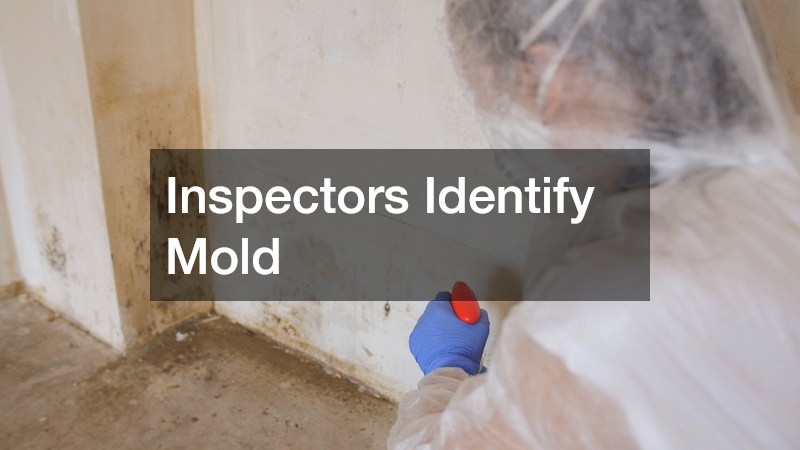
Inspectors use various techniques and tools to identify mold, focusing both on visible signs and environmental indicators. They often begin with a visual inspection to spot any discoloration, water stains, or warped surfaces that may point to mold growth. Alongside this, inspectors use moisture meters to detect spots with high humidity, as moisture is a critical factor in mold propagation. Infrared cameras are another tool, helping inspectors find mold growing behind walls without the need for invasive procedures. By using these technologies, inspectors can pinpoint both active mold colonies and places where mold is likely to develop.
One of the key aspects of identifying mold involves understanding the property’s moisture history. Inspectors take note of past leaks, flooding, or any situations that could have encouraged mold growth. Knowing this history allows them to provide more targeted advice for both current mold issues and future prevention. Another method involves collecting air samples to analyze mold spore concentration, which can identify the presence of mold not visible to the eye. These air samples can be used to establish baseline levels of mold spores, which provides a comparison point in future inspections. Identifying the type of mold is also crucial, as certain types may be more harmful than others.
Inspectors also take note of specific odors in a home, as the musty smell is often a telltale sign of mold presence. They may take samples from surfaces suspected of containing mold to cultivate and analyze in a lab setting. Lab results can detail not only the type of mold but also help in understanding its potential health impacts. Importantly, these lab analyses can inform whether the mold is allergenic, pathogenic, or toxigenic. The comprehensive approach ensures not just identification but also aids in crafting effective removal plans, contributing to healthier indoor environments.
What Should You Expect During an Inspection?
During a mold inspection, expect the process to last anywhere from a few hours to a full day, depending on the size and state of the property. The inspector will conduct a meticulous assessment, starting with an exterior evaluation to rule out structural issues that could lead to water ingress. Inside the home, expect a thorough inspection of high-risk areas such as attics, basements, and crawl spaces. Inspectors may ask questions about any past water damage or ongoing issues that might contribute to mold growth. A comprehensive inspection involves checking not just for mold but for conditions that might foster it, like poor ventilation and condensation.
Communication is a crucial part of the inspection process. Inspectors typically provide a rundown of their findings, explaining both immediate concerns and potential risks that require monitoring. They may also offer advice on how to improve ventilation or suggest repairs to prevent future mold growth. The inspection report is a key outcome, detailing both identified issues and providing a roadmap for remediation or further investigation. Expect transparency from your inspector, who should be open to questions and willing to explain technical findings in layman’s terms.
The actual inspection often culminates in a detailed report. This report serves as a documentation of findings, listing areas of concern and photographic evidence where applicable. Besides evidence of existing mold, the report outlines recommended actions, which might include controlling humidity levels or addressing existing leaks. If the inspection results reveal significant mold presence, a more thorough remediation plan will be advised. Understanding and acting on inspection findings is an integral step in maintaining indoor health and averting more serious mold issues.
What Are the Costs Involved?
The cost of a mold inspection can vary widely, influenced by factors such as the home’s size, the type of inspection, and regional pricing. Typically, basic visual inspections without samples start at a lower price point, while detailed assessments with laboratory tests may be more expensive. The geographical location can also impact costs, with prices potentially higher in metropolitan areas compared to rural settings. It’s important to consider that the cost of inspection is generally a small price to pay compared to the health risks and potential home repairs resulting from unchecked mold. Once detected early, preventing extensive mold damage can save homeowners considerable sums in future remediation.
Various factors affect pricing, including the complexity and thoroughness of the inspection. Some homeowners opt for air quality testing, which can add to costs but provides reassurance through precise measurement of mold spore levels. It’s crucial when budgeting for a mold inspection to also consider follow-up expenses should mold remediation be required. Many companies may offer competitive rates or package deals for inspections and subsequent mold removal processes, providing some financial relief. Insurance sometimes covers inspection costs if related to covered water damage, making it essential for policyholders to review their plan specifics.
While affordability may be a concern, focusing on the long-term safety and health benefits is crucial. Some companies provide free initial consultations, where they assess the situation and provide an estimate, helping clients understand their options before committing. Price should not be the sole factor in choosing an inspector; the qualifications and credibility of the service provider hold paramount importance. Always seek out certified and reputable professionals to ensure accurate detection and trustworthy advice. By investing in a proper inspection, homeowners protect both their loved ones’ health and their property’s value.
How Should You Prepare for an Inspection?
Proper preparation for a mold inspection can streamline the process and provide accurate results. Start by making a list of areas where you suspect mold, noting any visible signs like discoloration or smell. Ensure easy access to normally hidden areas, like attics or beneath sinks, which inspectors will need to examine. Decluttering these spaces ahead of time can facilitate a more thorough inspection, allowing inspectors to examine every nook and cranny. Homeowners benefit from being present, as they’ll be able to discuss concerns and ask questions directly to the inspector.
Documenting any known water damage or historical mold problems beforehand will provide inspectors with valuable context. It’s also recommended to accommodate any requests for turning off HVAC systems or adjusting indoor temperatures; mold inspections sometimes rely on stable conditions. Including past insurance claims or remediation efforts in your information and records could assist in the inspection. Not only does this preparation help the professional, but it expedites the overall process, ensuring efficient use of both time and resources. Discussing potential travel fees or additional costs beforehand is also wise, so there aren’t any surprises later.
Lastly, try to create a cordial atmosphere. Ensuring good communication with the inspector provides assurance that all concerns are addressed. Understand their methods and technical terms, asking for clarifications when necessary. With professionals ready to provide their findings and recommendations, being open and receptive makes the collaboration productive. Preparation ensures that the inspection not only uncovers hidden mold issues but also guides homeowners toward sustainable solutions.
Mold inspections are crucial for detecting potential hazards and ensuring a healthy home. By comprehensively understanding the process and preparing adequately, homeowners can effectively manage mold issues and create safer living environments. Professional inspections offer insightful findings that empower property owners to take preventative action against future mold problems. The information gained aids in maintaining not only physical property wellness but also familial health. With vigilance and proactive measures, mold-related problems can be minimized, preserving the value and safety of any home.